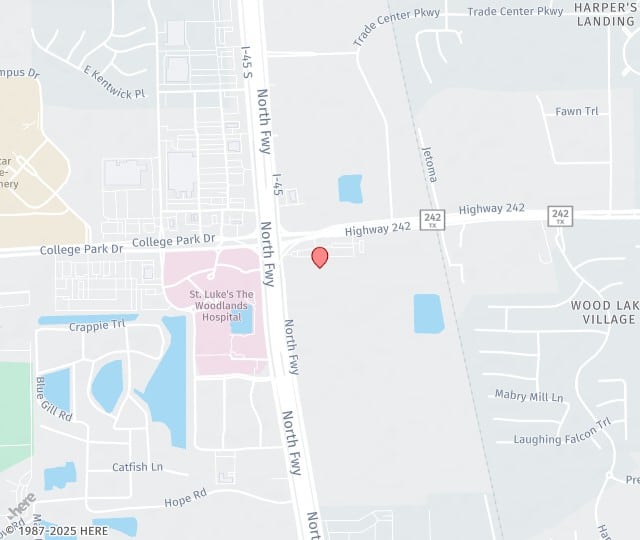
At Woodlands OBGYN Associates, Dr. Raj K. Syal, a board-certified OB/GYN with more than three decades of experience serving The Woodlands, TX, provides personalized gynecological care.
Identifying the cause of bladder leakage can help determine when home remedies are enough and when additional treatment may be beneficial.
Why Do Bladder Leaks Happen?
Female incontinence occurs when urine leaks unintentionally. Several factors can affect bladder control, including pregnancy, childbirth, aging, menopause, and changes in pelvic floor strength.
Common types of urinary incontinence include:
- Stress incontinence: Leakage during coughing, sneezing, laughing, or exercise.
- Urge incontinence: A sudden, intense need to urinate that may cause leakage before reaching the bathroom.
- Mixed incontinence: A combination of stress and urge incontinence symptoms.
Identifying the type of leakage is an important step toward choosing an effective treatment approach.
When Are At-Home Solutions Not Enough?
Pelvic floor exercises, bladder training, and lifestyle adjustments can help manage mild symptoms. However, these approaches may not provide sufficient relief for everyone.
Consider scheduling a medical evaluation if:
- Leakage occurs frequently or becomes more noticeable.
- Bathroom urgency disrupts sleep or daily activities.
- You limit exercise or social plans because you worry about accidents.
- Pelvic floor exercises have not improved symptoms.
- Bladder control problems develop or worsen after menopause.
Burning during urination, blood in the urine, or difficulty emptying the bladder also warrant medical evaluation.
What Treatment Options Are Available?
Treatment depends on the type of incontinence, symptom severity, and underlying contributing factors. A gynecological evaluation may include discussing symptoms, reviewing medical history, performing a pelvic examination, and recommending appropriate testing.
Depending on the findings, treatment options may include supervised pelvic floor therapy, bladder retraining, medications, or other medical interventions. Some women may benefit from specialized treatment when conservative approaches provide inadequate relief.
The goal is to improve bladder control while supporting comfort, confidence, and everyday activities.
Take Control of Bladder Leaks in The Woodlands, TX
Female incontinence does not have to dictate daily routines or limit favorite activities. Woodlands OBGYN Associates provides individualized women’s healthcare to help patients explore appropriate solutions for bladder concerns.
Call 281-364-9898 to schedule a consultation and discuss persistent bladder leakage with an experienced gynecological provider.